
Navigating the Shadows: Sibling Rivalry and the Quest for Self-Realization
I was asked an interesting question: how is it that siblings can inflict pain on each other? With the passage of years, these once-close companions can morph into bitter enemies, refusing to talk, refusing to reconcile, and failing to recognize the profound benefits of reaching out to reconnect. This inquiry is not only poignant but also timeless, echoing through the ages and resonating within many systems of thought.
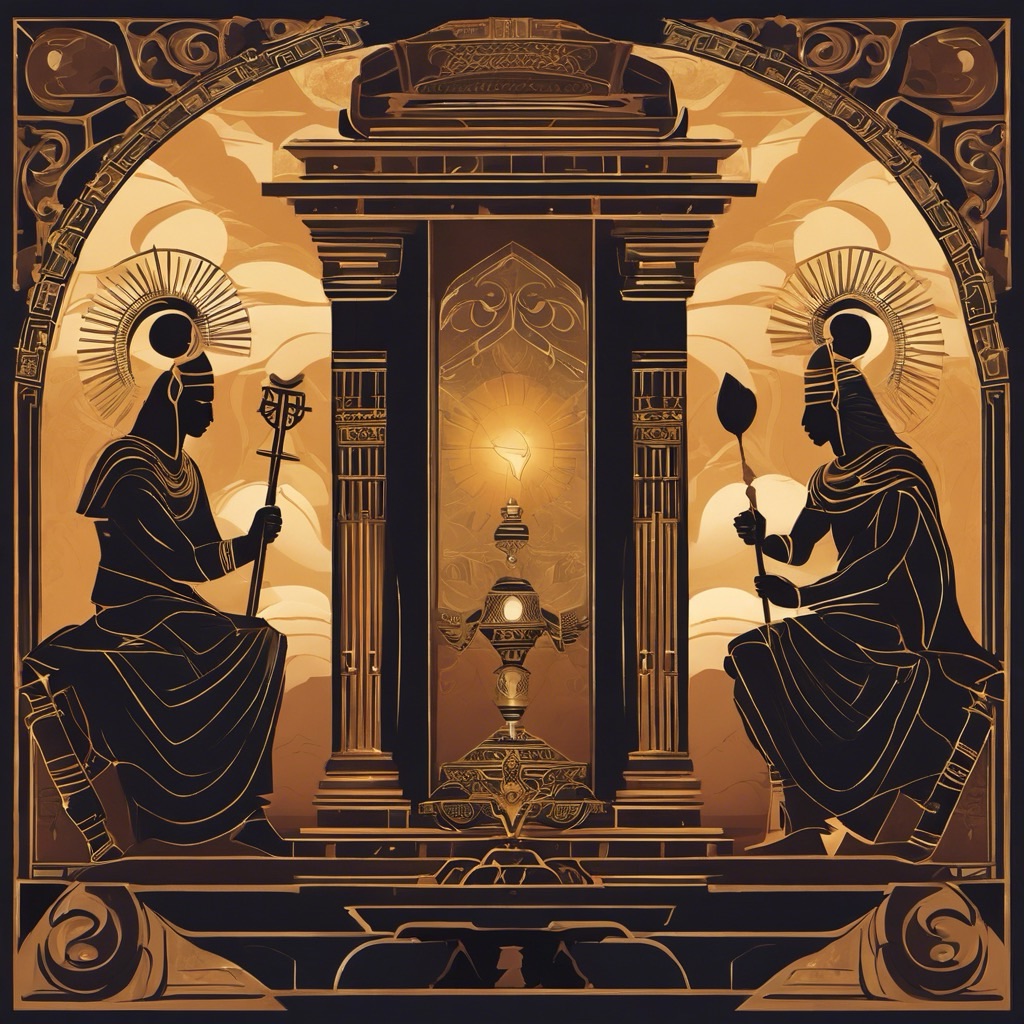
Throughout history, we find echoes of this sibling strife in sacred texts, where the tales of Cain and Abel and Isaac and Ishmael unveil the depths of familial discord. The heavens themselves bear witness to this phenomenon in the mythology of the Gemini Twins, while ancient narratives from Rome recount the opposing faces of Janus. The many pantheons of ancient gods are rife with tales of sibling rivalry and conflict. The story of Set and Osiris in ancient Egypt resonates with this theme, as do countless folklore and myths from cultures across the globe.
The ancient notion of twins locked in battle has long been a topic of discussion, often implying deep karmic ties. I mention karma only to help individuals grasp a deeper, more meaningful understanding of why such painful dynamics unfold.
In addition, as human beings, we possess the rational ability to engage in selective amnesia—a coping mechanism that allows us to navigate our emotional landscapes. In simpler terms, we can exercise denial, choosing to overlook the discomfort of our past.
Unless one is devoid of empathy, like a sociopathic psychopath, the human brain seeks to cope with turmoil through a philosophy of “out of sight, out of mind.” This selective amnesia serves as a shield against discomfort, distress, pain, and resentment. We hope that by avoiding these feelings, they will simply fade away into oblivion.
However, avoidance has its limits. If this is your best attempt at coping, then so be it. Yet, for those on the journey of self-realization, life inevitably presents these experiences and emotions again—an invitation to process, understand, reconcile, heal, let go, and transcend. This is the path of the wisdom seeker, a journey that demands courage and introspection.
Remember, the misfortunes and unfortunate events that occur in our lives do not define who we are. It is our response to these challenges that truly shapes our identity and illuminates the path we walk.
(c)2024 John Piedrahita
 Logotherapy Research Group South Florida
Leave a comment