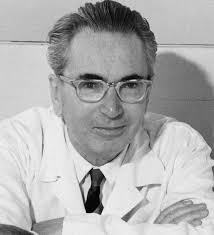
Embracing the Essence: The Art of Therapeutic Presence
What is the nature of therapeutic presence?
Therapeutic presence should not be underestimated. It is a vital essence that transcends mere intellect. A person may possess extensive theoretical knowledge and technical skills, yet still lack this profound presence. More often than not, those equipped with intellect and technique find themselves in roles that do not require the use of therapeutic presence to earn a living. It is far easier to disengage emotionally, to theorize, or to work from an administrative standpoint, focusing on the mechanics of doing rather than the art of being. This avoidance often obscures the continuous engagement in self-awareness necessary for cultivating therapeutic presence.
Cultivating therapeutic presence demands a deep commitment to matter, awareness, and self-awareness. It calls for a keen observation of the systemic issues—be they meso, micro, or psychic—that permeate the counseling environment, as well as an intrinsic understanding of the counselor’s own position and intersectionality within it. Central to this cultivation is the creation of a safe space, where healing can unfold.
In this journey, one must be acutely aware of the subtleties of the nervous system. Individuals who carry trauma or experience multiple psychiatric conditions often find themselves hypersensitive, easily agitated, or startled. In such cases, the clinician must maintain a heightened awareness of their own emotional landscape and nervous system. If the clinician’s emotional template is overly aroused, even the slightest shift in tone or pace can trigger internal mechanisms with the client, amplifying their distress or agitation – and eliciting self preservation reactions that may appear at times as oppositional and resistant.
It becomes paramount for the counselor to engage in emotional attunement. Initially, this involves fostering a sense of safety within the therapeutic space and nurturing the essence of therapeutic presence. Subsequently, the counselor must hone in on the concept of emotional attunement, which facilitates awareness of the emotional template, co-regulation and de-escalation, ultimately reinforcing the therapeutic relationship. Through this process, the counselor can model healthy attachment bonds and establish clear boundaries, supporting a transformative journey for both themselves and their clients.
(c)2024 John Piedrahita

 Logotherapy Research Group South Florida
Leave a comment