As I explore the integration of counseling theories and the broader forces shaping the field, several key insights stand out. The growing emphasis on theoretical flexibility highlights the importance of the clinician’s adaptability in responding to diverse client needs. Counseling is evolving beyond rigid allegiance to any singular modality, increasingly calling for integrative approaches that draw on the strengths of multiple theoretical frameworks. I have been especially struck by how cultural pluralism, systemic awareness, and the acceleration of technological and social change demand counselors to be not only multiculturally informed but also culturally attuned. Theories must now respond to clients’ experiences at multiple levels—metasystemic, intrapsychic, and interpersonal—within the broader sociocultural narratives that shape identity and meaning. I find existential themes, particularly when interwoven with cognitive strategies, to be especially resonant in my current work. Meaning-Centered Therapy, for example, allows for both philosophical depth and empirical structure, engaging both the abstract and concrete aspects of a client’s cognitive and emotional processes. Though some critique existential therapy for its lack of measurable outcomes, such limitations can be mitigated through integrative practices that pair it with empirically supported models like EMDR or CBT.
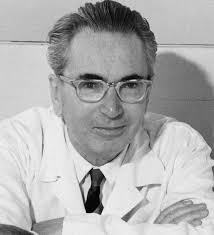
As I move forward, I am committed to refining my identity as a counselor educator and existential therapist, particularly in work related to grief, loss, depression, anxiety, psychosis, and personality disorders. I believe existential approaches have great potential in addressing even treatment-resistant conditions. However, the development of a professional identity requires more than theoretical mastery—it demands a comprehensive, culturally responsive, and integrative approach. This includes sensitivity to clients’ value orientations, religious and spiritual identities, personality traits, and cognitive capacities. My teaching and supervision philosophy integrates these perspectives by focusing on the therapeutic relationship as foundational while acknowledging the necessity of technique. Relationship without technique can offer comfort, but it is through the integration of both that we maximize client outcomes. As such, I am eager to deepen my exposure to multicultural models, particularly within supervision, and to develop strategies that foster critical consciousness, mindfulness, and reflective capacity in those I serve. Ultimately, I seek to bridge the science and the soul of counseling, drawing inspiration from Viktor Frankl’s vision of the psychotherapist not only as a technician but as a doctor of the soul.
References
Breitbart, W., Poppito, S. R., Rosenfeld, B., Vickers, A. J., Li, Y., Abbey, J., … & Cassileth, B. R. (2010). Pilot randomized controlled trial of individual meaning-centered psychotherapy for patients with advanced cancer. Journal of Clinical Oncology, 28(28), 4450–4457. https://doi.org/10.1200/JCO.2011.36.2517
Sue, D. W., & Sue, D. (2022). Counseling the culturally diverse: Theory and practice (9th ed.). Wiley.
 Logotherapy Research Group South Florida
Leave a comment